Adapter for cleaning intake valves BMW N47 / N57 (Walnut Blasting)
emme3dtech | 13.03.2026
3D Preview
Loading 3D model...
LMB: Rotate | Scroll: Zoom | RMB: Pan
Gallery (2)
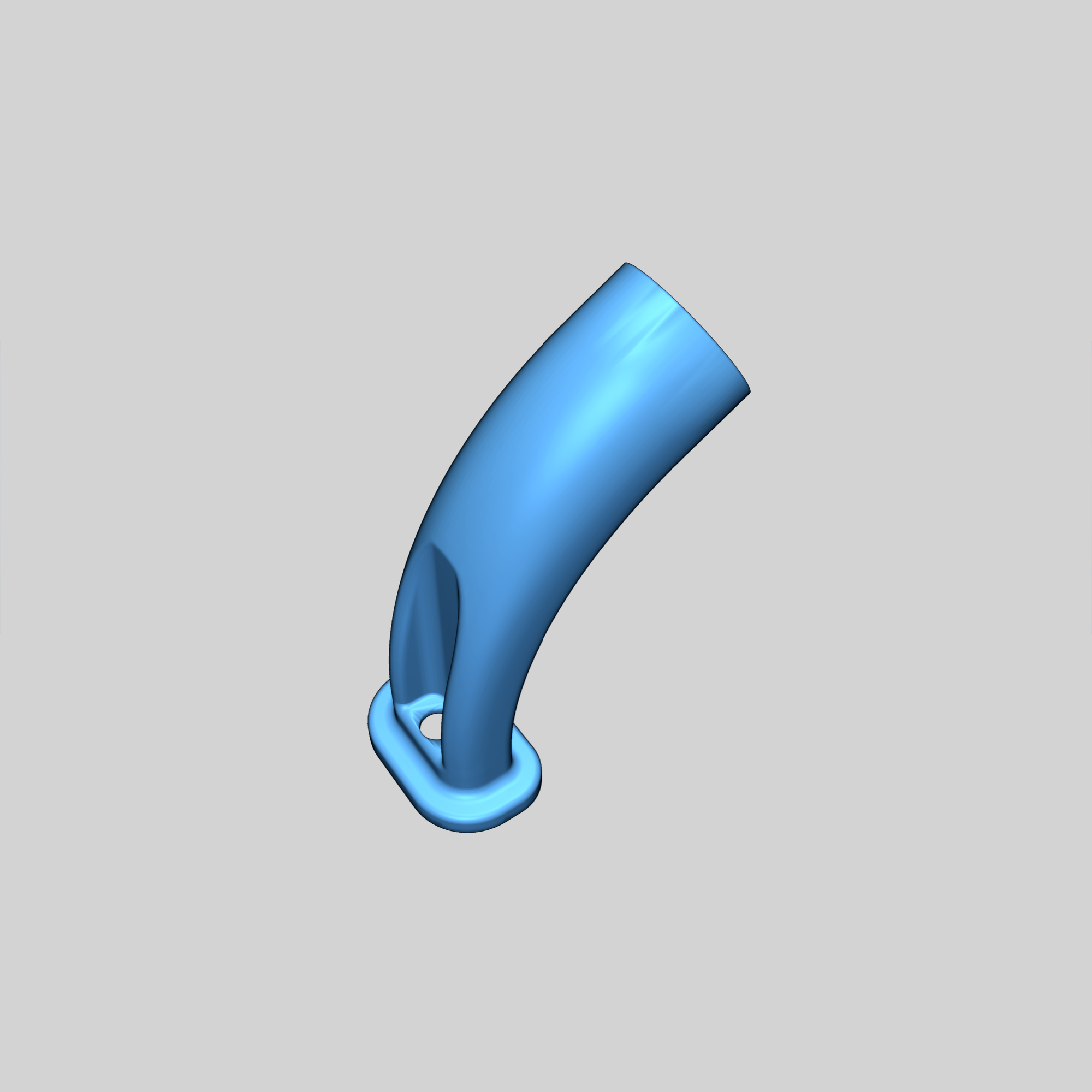
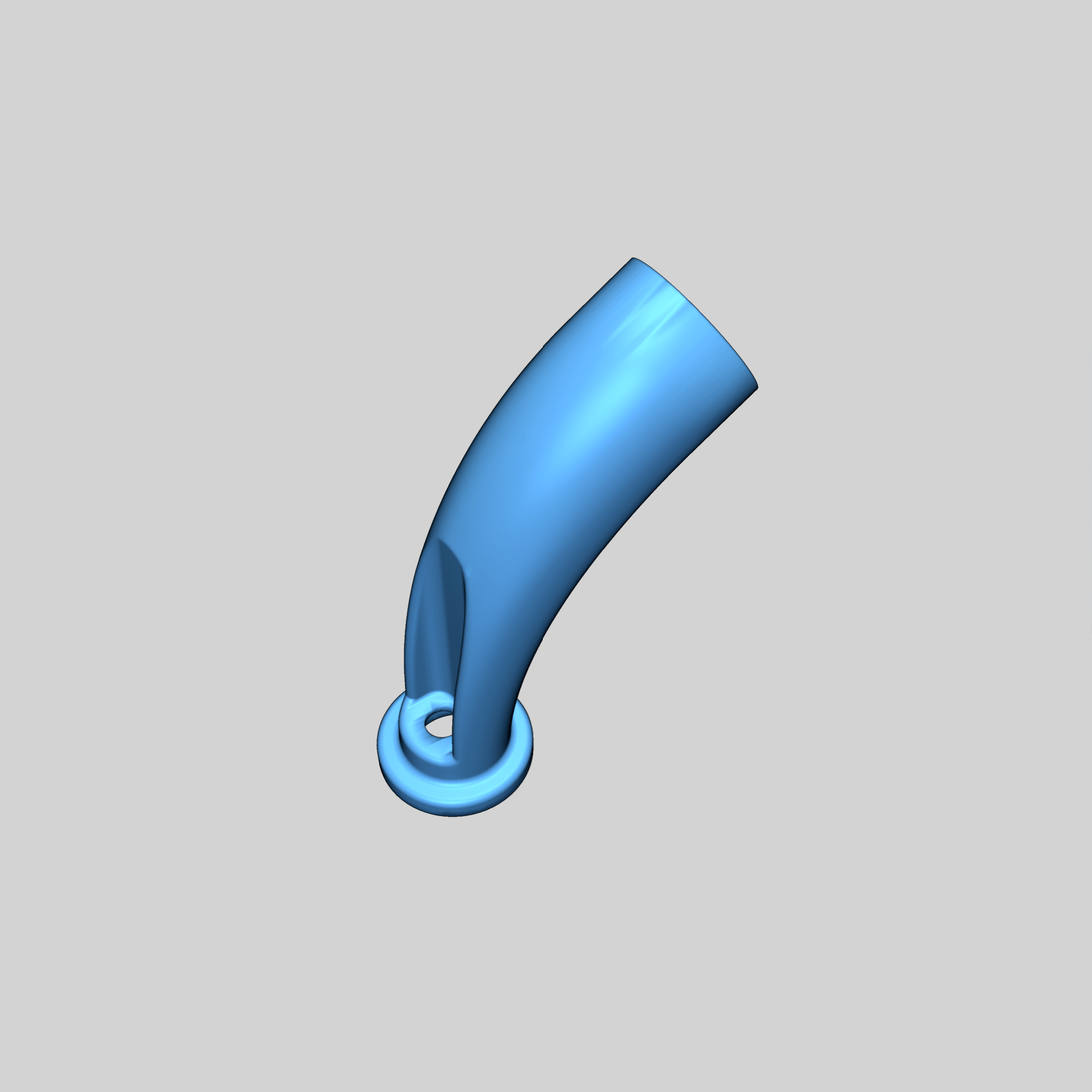
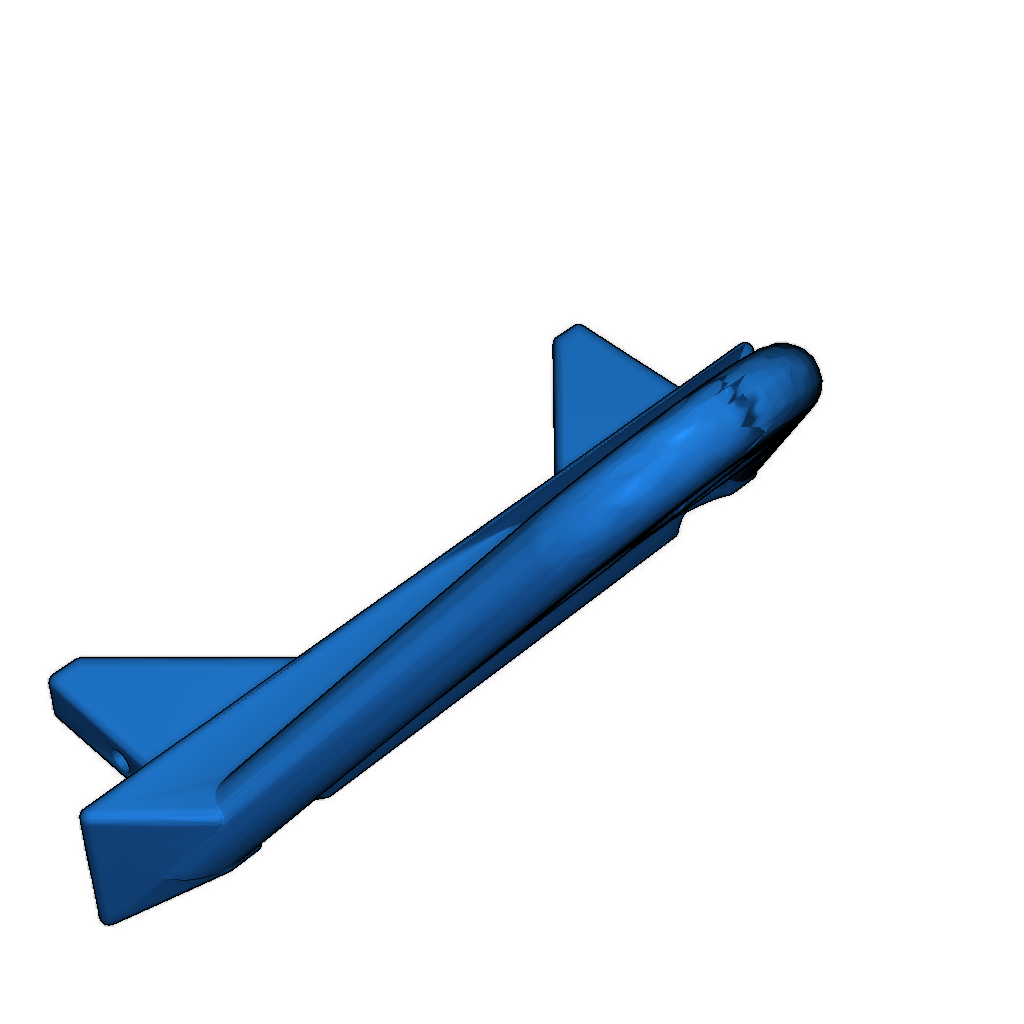
Problem: Modern BMW diesel engines (N47, N57) with direct injection are prone to carbon deposits on the intake valves. This results in loss of power, rough idling and increased fuel consumption. The most effective cleaning method is sandblasting with walnut shells. However, the original vacuum adapter is expensive, and without it the process turns into a cloud of dust and dirt under the hood.
Solution: This digital 3D model is a high-precision adapter for connecting a vacuum cleaner to the cylinder head inlet port. It provides a tight seal, allowing shell and carbon particles to be instantly removed by a vacuum cleaner during the cleaning process.
Model specifications:
Compatibility: BMW N47 and N57 engines (diesel). Installed on models 1, 3, 4, 5, 7 series, as well as X1, X3, X5, X6.
Ports: The model includes two types of nozzles (oval and round), which ensures compatibility with different configurations of the inlet ports of these engines.
Connectors: Output for a standard construction vacuum cleaner hose (inner diameter ~34 mm, outer diameter ~39 mm). The hole for the blaster nozzle is 8-9 mm.
File format: STL (completely ready for printing).
3D Printing Recommendations:
The tool is subjected to mechanical stress from particle flow, so strength is important:
Material: PETG, ASA or ABS recommended. These plastics have sufficient impact strength and resistance to chemicals. PLA can only be used for one-off projects as it is too brittle.
Fill: 50-100% (high density recommended for durability).
Walls: Minimum 4–6 perimeters.
Orientation: Print with the widest part facing the table for better adhesion.
Benefits:
Cleanliness of work: All used abrasive goes directly into the vacuum cleaner.
Professional result: The geometry of the model follows the BMW factory special transformer.
Savings: The cost of the model and printing is tens of times lower than the purchase of a metal analogue.
Category
Files are locked
Purchase this model to get access to STL files.
Please login to post comments.
Information
- Author: emme3dtech
- Date: 13.03.2026
- Category: Auto & Moto
- Views: 68
- Downloads: 1
- Likes: 1
- Images: 2
- Files: 2
Payment via WayForPay
Model Author

Similar models

Recently viewed
×
❮
![]() ❯
❯